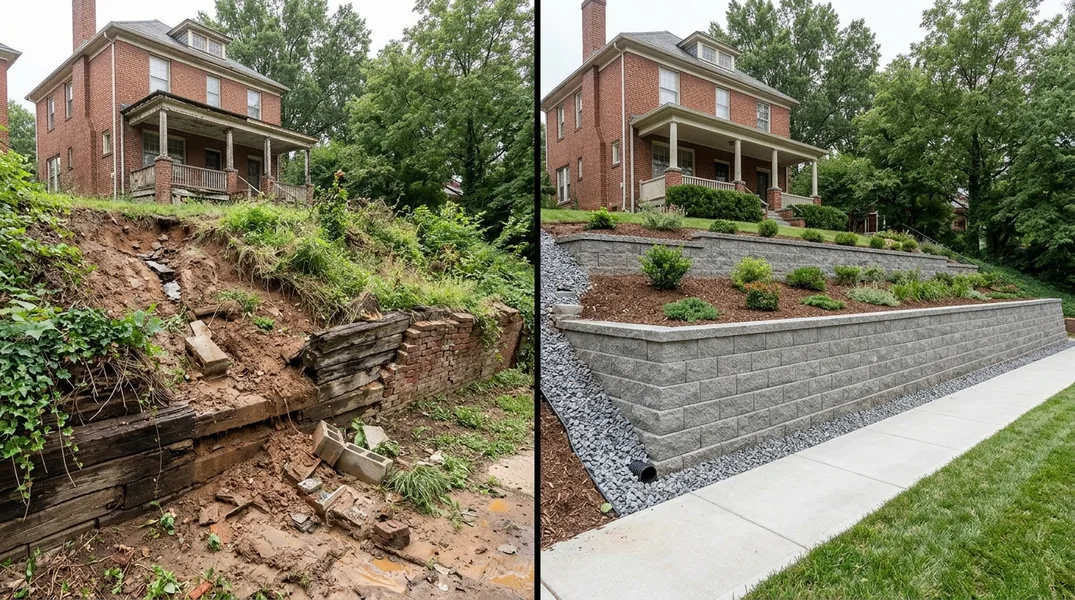
Do You Need a Permit for a Retaining Wall in Washington DC?
One of the most common questions homeowners ask when planning a Retaining Wall Installation is whether they need a permit. The short answer is: it depends on the height and specific characteristics of your wall. In Washington, the District of Columbia has clear regulations that determine when a permit becomes mandatory, and understanding these rules before you start digging can save you time, money, and potential legal headaches.
The District's Department of Energy and Environment (DOEE) and the Department of Buildings oversee retaining wall regulations. Generally speaking, if your retaining wall exceeds a certain height or if it will support significant soil or structural loads, you'll need to obtain a permit before construction begins. Failing to secure the proper permits can result in fines, orders to remove the wall, or complications when you sell your home. That's why it's essential to understand the specific requirements that apply to your property before you begin any work.
Understanding Retaining Wall Height Limits in Washington
In Washington, the 4 foot retaining wall permit threshold is a key marker. Walls that are 4 feet tall or less in height are often considered minor structures and may not require a formal building permit in many residential situations. However, this doesn't mean you can ignore all regulations. Even shorter walls must comply with setback requirements, property line regulations, and drainage standards. Additionally, if your wall is being constructed in certain zones or near protected areas, different rules may apply regardless of height.
For walls taller than 4 feet, a permit becomes increasingly likely to be required. The District evaluates walls based on their total height, the soil conditions they'll be retaining, and their proximity to structures or property lines. A retaining wall height limit isn't simply about how tall the wall can be; it's also about the engineering and safety considerations involved. Taller walls require more robust construction, proper drainage systems, and often professional engineering certification. If you're planning a wall that exceeds 4 feet, expect to need a retaining wall permit dc and possibly a licensed engineer's stamp of approval.
When Permits Are Required: Key Factors That Trigger the Need
Several factors beyond just height determine whether you'll need a permit for your retaining wall project. If your wall will be visible from the street or is part of a front-yard landscape modification, the District is more likely to require a permit. Walls that support significant soil loads, particularly those on slopes or in areas prone to erosion, almost always require permits and engineering review. Similarly, if you're installing Concrete Retaining Walls or using reinforced materials, permits are typically mandatory.
The location of your property matters significantly as well. Properties in historic districts, near protected wetlands, or in areas with specific zoning overlays may have stricter requirements. If your retaining wall will affect stormwater drainage, groundwater, or neighboring properties, you can almost certainly expect to need a permit. The District takes environmental and safety considerations seriously, and permit requirements exist to ensure that walls are constructed properly and won't cause problems for your neighbors or the broader community.
The Permit Application Process in Washington
If you've determined that you need a retaining wall permit dc, the application process involves submitting detailed plans to the District's Department of Buildings. Your submission should include site plans showing the wall's location, dimensions, materials, and drainage details. For walls over 4 feet or in complex situations, you'll likely need to include engineering drawings prepared by a licensed professional engineer registered in the District of Columbia. These drawings must demonstrate that the wall will be structurally sound and won't pose a safety risk.
The review process typically takes several weeks, during which the Department of Buildings will examine your plans for compliance with the District's building code and zoning regulations. They may request revisions or additional information before issuing approval. Once you receive your permit, you can proceed with construction, but the work will be subject to inspections at various stages. Having a professional handle your Retaining Wall Installation ensures that the project meets all code requirements and passes inspections smoothly.
Retaining Wall Installation Near Me: When to Call a Professional
Navigating permit requirements and building codes can be complex, which is why many homeowners choose to work with experienced professionals. Washington Retaining Wall has been serving the Washington area with expert Retaining Wall Installation services, and we understand the local permit requirements inside and out. Our team can assess your property, determine whether a permit is needed, prepare the necessary documentation, and manage the entire installation process while ensuring full compliance with District regulations.
If you already have an existing wall that needs attention, we also offer Retaining Wall Repair services. Whether your wall is showing signs of damage, drainage problems, or structural concerns, our professionals can evaluate its condition and recommend the best course of action. For homeowners considering a complete overhaul, Retaining Wall Replacement may be the right solution. Contact us at (771) 252-1406 to discuss your project and receive a free estimate.
Common Mistakes to Avoid When Installing a Retaining Wall
One of the biggest mistakes homeowners make is assuming they don't need a permit because their wall seems small or temporary. Even modest walls can face legal challenges if they weren't permitted properly. Another common error is underestimating the importance of drainage. Retaining walls fail more often due to poor drainage than any other cause. Water pressure behind the wall can cause it to shift, crack, or collapse, and these failures are often preventable with proper drainage design and installation.
Improper site preparation and inadequate foundation work are also frequent culprits. A retaining wall is only as good as what it's built upon. Skipping proper grading, compaction, and foundation preparation can lead to settling and failure down the road. Additionally, many homeowners don't account for local soil conditions, which vary significantly across different neighborhoods in the District. Clay-heavy soils, for example, behave differently than sandy or rocky soils and require different engineering approaches. By working with professionals who understand Washington's specific conditions and permit requirements, you can avoid these costly mistakes and ensure your wall lasts for decades.
Looking for a professional retaining wall contractor in Washington? Washington Retaining Wall responds fast for all your retaining wall needs.
Get a Free QuoteOur services: Retaining Wall Installation · Retaining Wall Repair · Retaining Wall Replacement